Nominated by Zelie November 2024
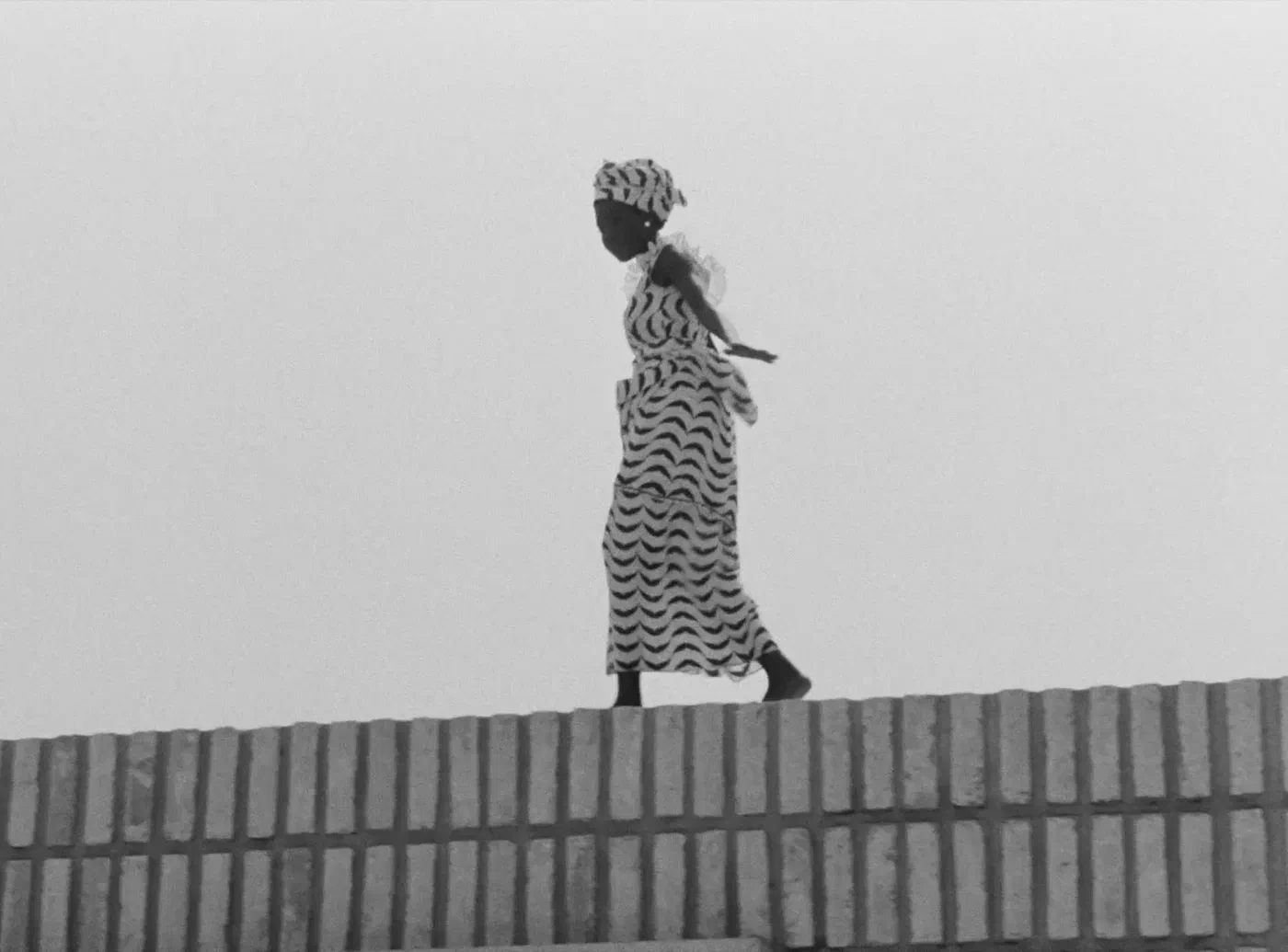
La Noire de…
- Directed by
- Ousmane Sembène
- Released
- 1966
- Screened
The verdict
9.48 / 11.5
Mean of 4 reviewers · 82.43% of a perfect score
Highlights
1A Rank
#18
of 42 films screened
2A Top category
Themes
86% of the category max
3A Consensus
Some Debate
σ 0.66 across reviewer totals
4A The Fan
Muhammad
Highest total · 9.9
5A The Cynic
Yasin
Lowest total · 8.5
6A The Specialist
Krishan
Music · 100% of max
Plot synopsis
The story centers on Diouana, a young Senegalese woman who is hired by a wealthy French couple to work as a nanny. At first, she is thrilled by the opportunity, seeing it as a way to escape the poverty of Dakar and experience a glamorous European lifestyle. Her excitement is heightened by her dreams of freedom and adventure in France.
When she arrives in Antibes, however, the reality is starkly different. Instead of being treated as a professional caretaker, Diouana is relegated to the role of a domestic servant. She is expected to clean, cook, and cater to the whims of her employers, while the promises of respect and opportunity fade away. Her employers show little regard for her humanity, treating her as an object of convenience and novelty.
Isolation and Disillusionment
Diouana becomes increasingly isolated in the couple’s home. She rarely leaves the apartment, and her connection to the outside world diminishes. Her employers, particularly the wife, enforce rigid control over her daily life, and their microaggressions and patronizing behavior underscore the racial and cultural hierarchies that remain from colonialism.
The couple’s friends further highlight this dynamic, treating Diouana as a curiosity rather than a person, emphasizing her exoticism in ways that dehumanize her. Diouana’s dreams of a better life turn into a nightmare of confinement and humiliation, stripping her of her dignity and identity.
Symbolism and Themes
Diouana’s experience is not just her personal tragedy but a metaphor for the exploitation and alienation faced by African peoples under colonialism. The film uses her story to critique the lingering power imbalances and the cultural erasure inherent in post-colonial relations. A poignant symbol in the film is the mask Diouana gives to her employer when she begins work. Initially a gift of goodwill, the mask comes to represent the exploitation of African culture by Europeans.
Category by category How scoring works
- Enjoyable 5 / 5
- Plot 1.28 / 2
- Acting 1.06 / 1.5
- Camera 0.8 / 1
- Themes 0.43 / 0.5
- Music 0.4 / 0.5
- Casting 0.36 / 0.5
- Wildcard +0.15 ±0.5
The ledger
| Reviewer | Enjoyable | Plot | Acting | Camera | Themes | Music | Casting | Wildcard | Total |
|---|---|---|---|---|---|---|---|---|---|
| Muhammad Fan | 5 | 1.3 | 1 | 0.8 | 0.5 | 0.5 | 0.3 | 0.5 | 9.9 |
| Zelie | 5 | 1.5 | 1.3 | 0.8 | 0.4 | 0.3 | 0.4 | 0.1 | 9.8 |
| Krishan | 5 | 1.3 | 1.2 | 0.8 | 0.4 | 0.5 | 0.5 | 0 | 9.7 |
| Yasin Cynic | 5 | 1 | 0.75 | 0.8 | 0.4 | 0.3 | 0.25 | 0 | 8.5 |
| Mean | 5 | 1.28 | 1.06 | 0.8 | 0.43 | 0.4 | 0.36 | 0.15 | 9.48 |
| Max | 5 | 2 | 1.5 | 1 | 0.5 | 0.5 | 0.5 | ±0.5 | 11.5 |